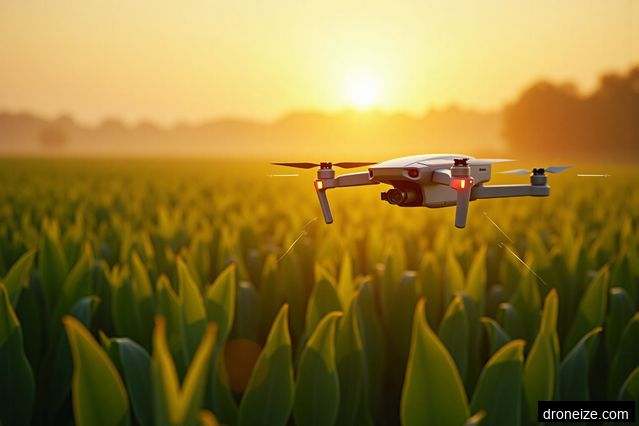
Introduction
In the breathtaking realm of photography, the advent of drones has revolutionized the way we capture images, transforming aerial photography from a niche, often inaccessible art form into a mainstream tool accessible to professionals and hobbyists alike. This evolution has not only democratized high-quality aerial imagery but has also opened up new frontiers for artistic expression and commercial applications. From the sprawling landscapes captured for cinematic productions to the precise imaging required for real estate marketing, drones have provided a versatile platform for both creative and enterprise endeavors. The significance of this transformation cannot be overstated, as it has fundamentally altered the perspectives through which we view our world, offering angles and insights that were previously beyond reach.
This comprehensive exploration will delve into the multifaceted evolution of aerial photography, highlighting the pivotal role drones have played in this journey. We will examine the technical advancements that have made drone photography more accessible and the creative avenues it has opened for artists. Additionally, we will explore the commercial impact of drone photography, showcasing its utility in industries such as real estate, agriculture, and film. Through specific examples, statistics, and expert insights, this post aims to provide a thorough understanding of how drones have tailored the landscape of aerial photography for both artistic and commercial use, reflecting on its past, present, and potential future impacts.
In the realm of photography, the Introduction of drone technology has opened up new creative possibilities for capturing stunning aerial shots with precision and ease. From sweeping landscapes to dynamic action shots, drones have transformed the way photographers approach their craft.
The Dawn of Drone Photography
The inception of drone photography can be traced back to the early 2000s, when the technology was primarily in the hands of military and specialist users. The initial drones were cumbersome, expensive, and required significant expertise to operate. However, the past two decades have seen remarkable technological advancements that have dramatically changed this scenario. Innovations in battery life, camera quality, and flight stability have made drones lighter, more affordable, and easier to control. Companies like DJI, Parrot, and Yuneec have been at the forefront of these advancements, consistently pushing the boundaries of what's possible with consumer drones. This technical evolution has been instrumental in propelling drone photography into the mainstream, empowering photographers to capture stunning aerial shots that were once the preserve of those with access to manned aircraft.
The transition from niche to mainstream has also been facilitated by regulatory changes, which have made the skies more accessible to drones. Countries around the world have introduced legislation to manage the safe operation of drones, creating a legal framework that has given both amateur and professional photographers the confidence to explore aerial photography. The result has been a dramatic increase in the use of drones for capturing everything from cinematic landscapes for blockbuster movies to intimate weddings and local events, illustrating the wide-ranging impact of these technological and regulatory shifts.
The evolution of drone photography has revolutionized various industries, from real estate to filmmaking, enabling breathtaking aerial shots that were once only possible with helicopters. This shift towards drone technology has democratized aerial photography, making it more accessible and versatile.
Unleashing Creative Potential
The democratization of drone technology has unleashed a wave of creative potential among photographers and videographers. The unique aerial perspective offered by drones has inspired artists to experiment with new compositions and storytelling techniques. For instance, photographers like Amos Chapple have used drones to capture breathtaking images of landmarks such as the Sagrada Familia in Barcelona and the Taj Mahal in India, providing a fresh perspective on these well-known sites. Similarly, drone photography has become a staple in landscape and wildlife photography, allowing photographers to access remote and otherwise inaccessible locations, offering viewers a glimpse into untouched natural environments.
Furthermore, the rise of social media platforms and online galleries has provided a global stage for drone photographers to showcase their work, fostering a community of enthusiasts and professionals who share tips, techniques, and inspiration. This collective knowledge-sharing has accelerated the creative evolution of drone photography, pushing the boundaries of what is visually possible and encouraging a continuous stream of innovation within the field.
Exploring the realm of virtual reality art has opened a new avenue for artists to unleash their creative potential. From immersive installations to interactive experiences, this technology offers limitless possibilities for pushing artistic boundaries.
Commercial Applications: Beyond Artistic Expression
While the artistic potential of drones is vast, their utility in commercial applications is equally significant. In real estate, for example, drones have become an indispensable tool for capturing high-resolution imagery of properties, providing potential buyers with bird’s-eye views that highlight the scale and context of homes and landscapes. This capability has proven to be a powerful marketing asset, with statistics from the National Association of Realtors indicating that listings with aerial photos are 68% more likely to sell than those without. In agriculture, drones equipped with specialized sensors can monitor crop health, map out farmland, and even assist in the targeted application of pesticides, significantly enhancing efficiency and yield.
The film industry has also benefited immensely from drone technology. Productions ranging from independent films to major Hollywood blockbusters now regularly incorporate drone footage to achieve cinematic shots that were previously impossible or prohibitively expensive to capture. This has opened up new avenues for storytelling, allowing filmmakers to convey scale, movement, and perspective in innovative ways. The 2015 film "Skyfall" and the television series "Game of Thrones" are notable examples that have utilized drone cinematography to stunning effect, showcasing the commercial and artistic value of drone photography in the entertainment industry.
In today's tech-savvy world, drones have revolutionized various industries beyond artistic endeavors. From aerial surveys for construction projects to efficient crop monitoring in agriculture, these flying marvels are reshaping how businesses operate.
Conclusion
The evolution of aerial photography through the use of drones represents a significant shift in the way we capture and interpret the world around us. From the early days of expensive, inaccessible technology to the widespread adoption we see today, drones have opened up new horizons for both artistic expression and commercial application. The impact of this evolution is evident in the stunning visuals captured by artists, the innovative uses in industries such as real estate and agriculture, and the breathtaking cinematography in the film industry. As drone technology continues to advance, we can only anticipate further enhancements in image quality, flight capabilities, and accessibility, promising even greater possibilities for aerial photography in the future.
For enthusiasts and professionals looking to explore the world of drone photography, the journey starts with understanding the capabilities and limitations of current drone technology. Investing time in mastering flight skills, learning about regulations, and exploring the creative and commercial possibilities of aerial imagery can unlock new perspectives and opportunities. As we look ahead, the continued evolution of drone photography holds the promise of not only capturing the beauty and complexity of our world but also challenging our perceptions and inspiring innovation across a spectrum of artistic and commercial disciplines.
In conclusion, the integration of artificial intelligence in drone technology is poised to revolutionize the field of aerial photography. With advancements in AI algorithms, drones can now autonomously adjust camera settings for optimal image capture.